Newsletter - Summer 2026
A Message from the Executive Director
Executive Director Dr. Susan Ouellette
Summer is here and we are ready! The museum is now open to visitors on its regular schedule of Wednesday to Friday afternoons. Even more exciting, thanks to a very generous donation from Peter A. Grimm and his wife, Susan, the building is now air-conditioned! Since we had to do some rearranging to accommodate our new HVAC system, we were also inspired to be creative with our gallery of exhibits. The gallery floor plan has been reorganized and a few new exhibits added. The RPI model train display of South Troy is still under construction, and we hope to have that operational by mid-summer. In the meantime, the beautiful little buildings created by the student model railroaders are on display.
Gateway volunteers prime the wall for the new mural
Over the summer we will be installing a new roadside marker commemorating the Burden Iron Co. office building. This project is supported by the William G. Pomeroy Foundation. For those visitors who would like to check out our grounds, several new additions to the grounds include a historic sign focused on the Burden office building and, when it’s finished, a beautiful mural on the concrete wall along the south side of our parking area. Our artist, Kevin Clark, has designed a series of vignettes that showcase the industrial history of the region.
Finally, we are pleased to announce that William and Kevin Sage of Sage Bros. Painting in Troy will be the honorees at our Gala to be held October 1. Besides several projects at the Burden office building, they have performed painting projects at other historic buildings, and they have been the stewards of the Gas Holder House in Little Italy.
We hope that you will be inspired to visit us and see all the new (and old) things we have to share. For now, enjoy the summer!
The Hudson-Mohawk Region and the Centennial International Exposition in Philadelphia
The Centennial International Exhibition, officially the International Exhibition of Arts, Manufactures, and Products of the Soil and Mine, was held in Philadelphia, Pennsylvania, from May 10 to November 10, 1876. It was the first official world's fair to be held in the United States and coincided with the 100th anniversary of the Declaration of Independence's adoption in Philadelphia on July 4, 1776. It was held on a 450-acre site in Fairmount Park. Nearly 10 million visitors attended the exposition, and 37 countries participated.
Exhibits at the exposition were classified into seven departments: agriculture, art, education and science, horticulture, machinery, manufactures, and mining and metallurgy. Fifty firms from Troy, West Troy/Watervliet, Green Island, Cohoes, Waterford, and Albany had displays at the Centennial Exposition. The firms were seeking exposure to new markets and showing their patriotism. Not surprisingly, the most significant industries in the region at the time – iron and textiles – were represented at the exposition, but many smaller firms chose to participate as well.
The Main Exhibition Building was the largest building in the world by area, enclosing 21.5 acres. It measured 464 feet in width and 1,880 feet in length. Machinery Hall was the second largest structure in the exposition, enclosing 12.8 acres. The hall housed 1,900 exhibitors, focused on machines and evolving industries. It was the showcase for state-of-the-art industrial technology. The United States alone took up two-thirds of the exhibit space in the building.
The Centennial Bell
Bell chime at Machinery Hall
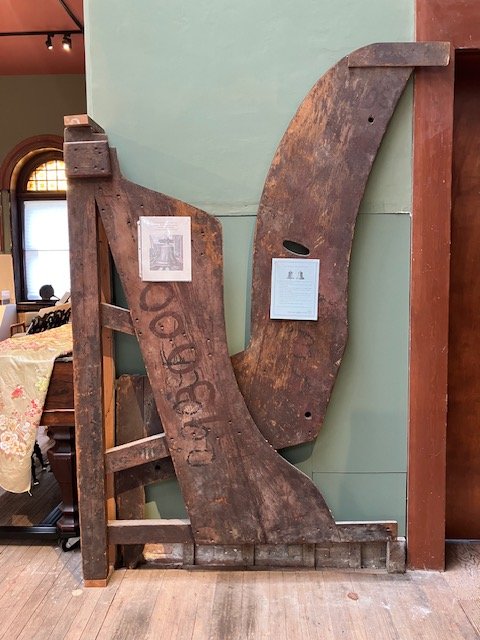
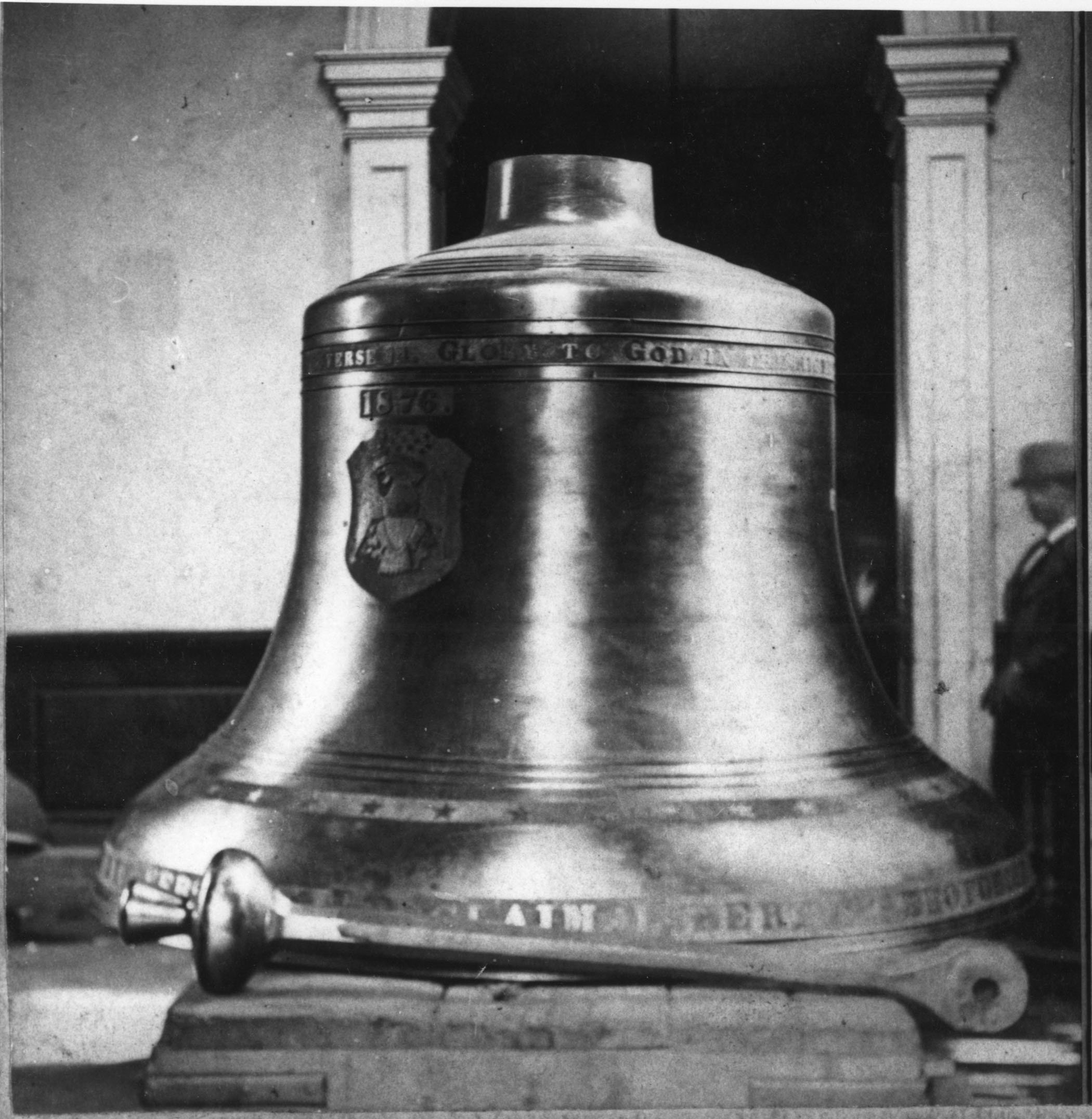
One of the most significant regional contributions to the exposition was not found at the fairgrounds in Fairmont Park, but rather in downtown Philadelphia. The organizers of the exposition commissioned bell company Meneely & Kimberly of Troy to cast a replacement for the original Liberty Bell, which cracked from energetic ringing after the signing of the Declaration of Independence, and suffered further damage in subsequent years. The original bell was cast in England in 1752 and weighed 2,080 pounds. The new bell, known as the Centennial Bell, was much larger; it weighed 13,000 pounds – one thousand pounds for each of the original 13 states. This is believed to be the heaviest bell ever cast in the United States (the company later cast two similar bells). The original bell was removed from the belfry of Independence Hall and placed in a secure ground level display pavilion. The Troy bell was then installed at Independence Hall and is the bell that rings there today. (By the way, the belfry looks nothing that the one depicted in the movie “National Treasure.”)
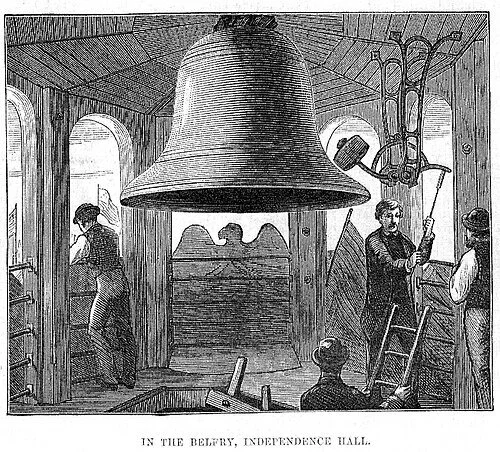
Neither this company nor its cross-river rival Meneely & Co. of West Troy participated in the exposition. However, Frank Leslie’s Historical Register of the United States Centennial Exposition, 1876, includes this illustration of a Professor Widdows playing a chime stand linked to what appear to be six bells (a chime) hung in the tower of Machinery Hall. TheOfficial Catalog of the U.S. International Exposition, 1876, lists several bellmakers who exhibited, including McShane & Co. of Baltimore, Maryland, and VanDuzen & Tift of Cincinnati, Ohio, which could have cast this chime. (Click on the images below to enlarge.)
Regional Firms at the Exposition
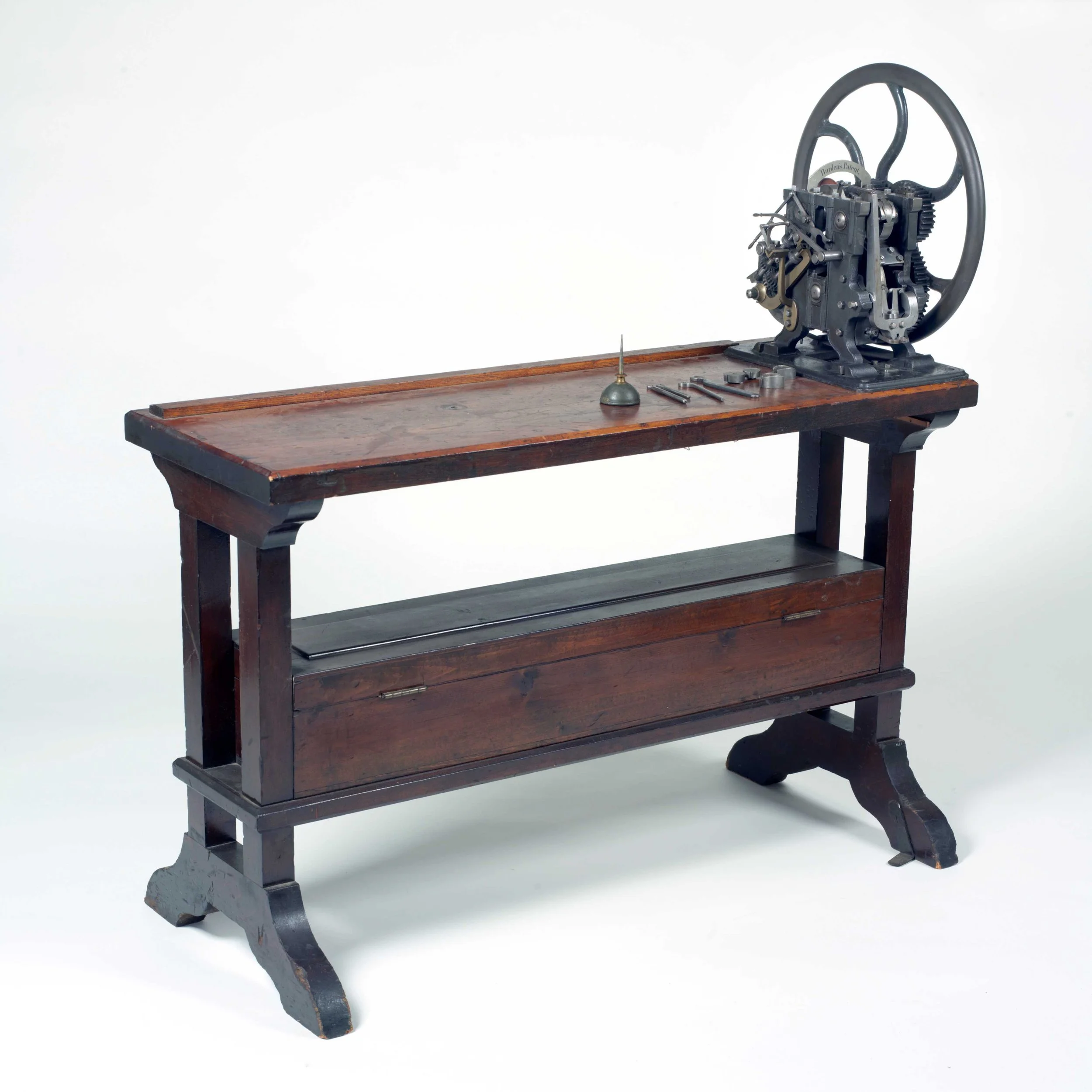
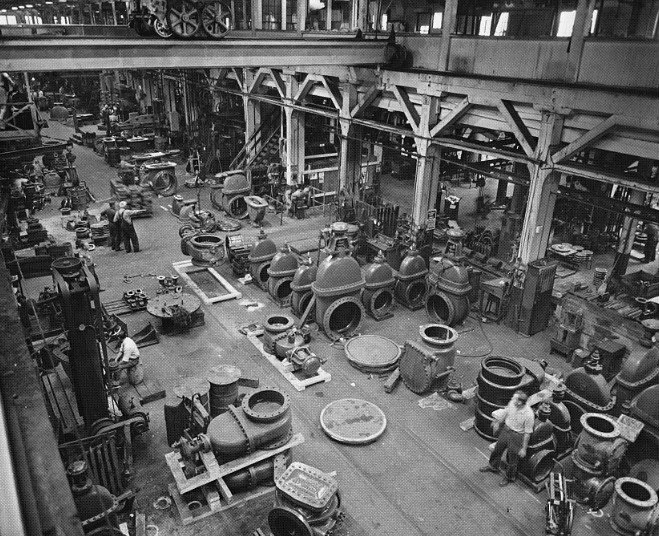
Iron. Many local firms displayed iron products and textile products and machinery. The Burden iron works, then doing business under the name H. Burdens’ Sons (Henry died in 1871), displayed an operating scale model of the latest horseshoe machine, complete with a miniature oil can and tools. Ludlow Valve Manufacturing Co. of Troy and Mohawk & Hudson Manufacturing Co. of Waterford exhibited their water valves and hydrants. Albany & Rensselaer Iron & Steel Co. of Troy displayed iron and Bessemer steel rails, plates and axles. Port Henry Iron Co. and Witherbees, Sherman & Co., both Adirondack-based suppliers of iron ore and pig iron to Troy mills, exhibited in the Mining and Metallurgy Hall. (Click on the images below to enlarge.)
Stoves. Fuller, Warren & Co., the region’s largest stove foundry, had its own pavilion to display its line of stoves, heaters, and ranges. Other stove companies with exhibits at the exposition included C.O. Westfield; Swett, Quimby & Perry; and H.G. Giles & Son of Troy, Rathbone, Sard & Co. and William Doyle of Albany, and the only company from Green Island to participate in the exposition, M.W. Gardner, who made knobs for stoves and ranges. It is interesting to note that traditional stove companies were broadening their lines to include heaters and ranges, as central heating was beginning to replace parlor stoves.
Rathbone, Sard & Co. letterhead
Fuller & Warren display building
Coon & Vanvalkenburgh Troy City Directory ad
Textiles. Numerous textile firms exhibited at the exposition. Surprisingly, although Troy was already the “Collar City,” only one collar and cuff company, Coon & Van Valkenburgh, had a display. (Cluett, Peabody & Co. was not formed until 1899.)
More numerous were the firms who made cotton and wool clothing items, such as cotton, woolen and merino shirts, shawls, drawers, pantalets, and union suits. The firms included Brook Side Hosiery Mills of Troy, Jas. Roy & Co. of West Troy, and Munson Manufacturing Co. and Starr Knitting Co. of Cohoes. Campbell & Clute of Cohoes displayed textile machinery.
Pantalets
Fearey’s shoe ad
Shoes. Albany was the center of regional shoemaking, with a specialty in shoes for women and children. Graves, Ball & Co., Thos. Feary & Sons, and East New York Boot, Shoe and Leather Co. showed their wares.
Transportation. A variety of transportation modes were exhibited by local companies. Perhaps the most important were the streetcars made by J.M. Jones & Co. of West Troy, while the most interesting were the paper boats made in Troy by E. Waters & Son (two of their paper racing sculls are on display at the Hart Cluett Museum in Troy).
Jones streetcar ad
Waters paper boat Troy City Directory ad
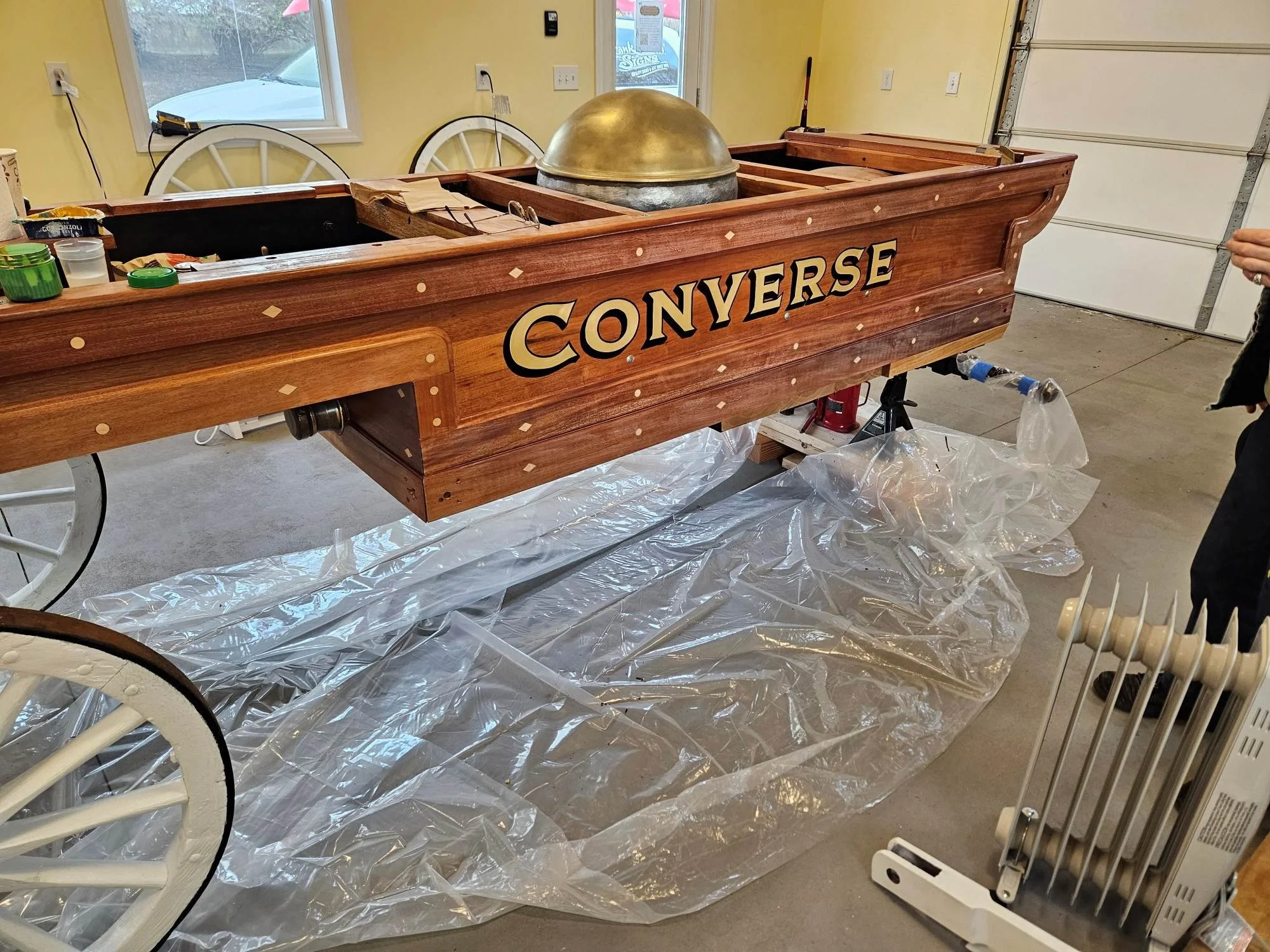
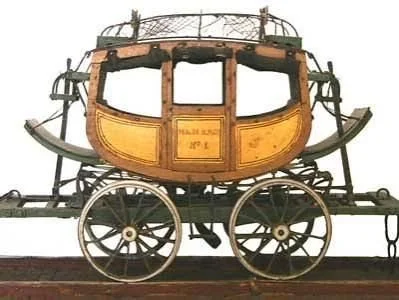
L. Button & Son of Waterford exhibited their steam- and hand-powered fire engines. James Goold & Co. of Albany displayed coaches, buggies, and sleighs. Goold supplied the passenger carriages for the Mohawk and Hudson Railroad, one of the earliest in America. H.J. Richards of West Troy brought his ice yacht, and Troy’s Wait J. Stillman displayed railroad switches. (Click on images below to enlarge.)
Eagle Mowing & Reaping
Agricultural Equipment. Albany exhibitors were prominent in this category. Eagle Mowing and Reaping Machine Co.displayed their machines, P.K. Dederick & Co. displayed their hay and cotton presses, Horace L. Emery his cotton gin lint cleaner, and Stephen Kopf his malt shovels. From Troy, Albert C. Betts exhibited his machine for making wire fencing and H. Strait his potato digger. The better-known Walter A. Wood Mowing and Reaping Machine Manufactory in Hoosick Falls, was not present at the exposition.
Precision Instruments. Venerable Troy company W. & L.E. Gurley displayed their engineering and surveying instruments and apparatus. H.B Nims & Sons exhibited their paper world globes.
Gurley sign at the Burden Iron Works Museum
Nims paper globe ad
Food. E.J. Larrabee & Co. of Albany had this impressive display of their crackers and biscuits at the exposition.
Larrabee stand at exhibition
Correction: The article in our Spring 2026 Newsletter on the 200th anniversary of Meneely bell making in West Troy incorrectly stated that the Plumb Memorial Carillon at Trinity College in Hartford, Connecticut, was cast by Meneely. That carillon was cast by John Taylor & Company of England. The largest carillon cast by Meneely was the Washington Memorial Carillon at Valley Forge, Pennsylvania, with 28 bells.